Drone Containment Netting
Custom drone netting systems and UAV containment enclosures are engineered for military, commercial, industrial, and advanced drone testing applications nationwide.
Midwest Netting Solutions designs and installs engineered drone netting enclosures, UAV containment systems, and large-scale drone flight enclosures for organizations requiring controlled operational airspace and long-term structural performance.
Drone Netting Systems for Modern UAV Operations
As unmanned aerial systems (UAS) continue to rapidly expand across military, aerospace, industrial, and commercial industries, the demand for engineered drone netting systems and controlled UAV containment infrastructure continues to increase.
Midwest Netting Solutions designs custom drone netting enclosure systems intended to support:
- Military drone testing programs
- UAV pilot training
- Autonomous drone development
- Commercial drone operations
- Industrial UAV programs
- Drone research facilities
- Drone testing facilities
- Public safety drone operations
- Aviation training environments
Our engineered drone containment systems are designed to create secure and controlled flight environments while supporting long-term operational performance and scalability.
Unlike lightweight recreational drone cages or temporary drone safety netting systems, MNS designs large-scale outdoor drone netting systems and indoor UAV containment structures engineered for demanding long-term applications.

Industrial Netting Solutions
These are different types of industrial and commercial netting solutions that we install.


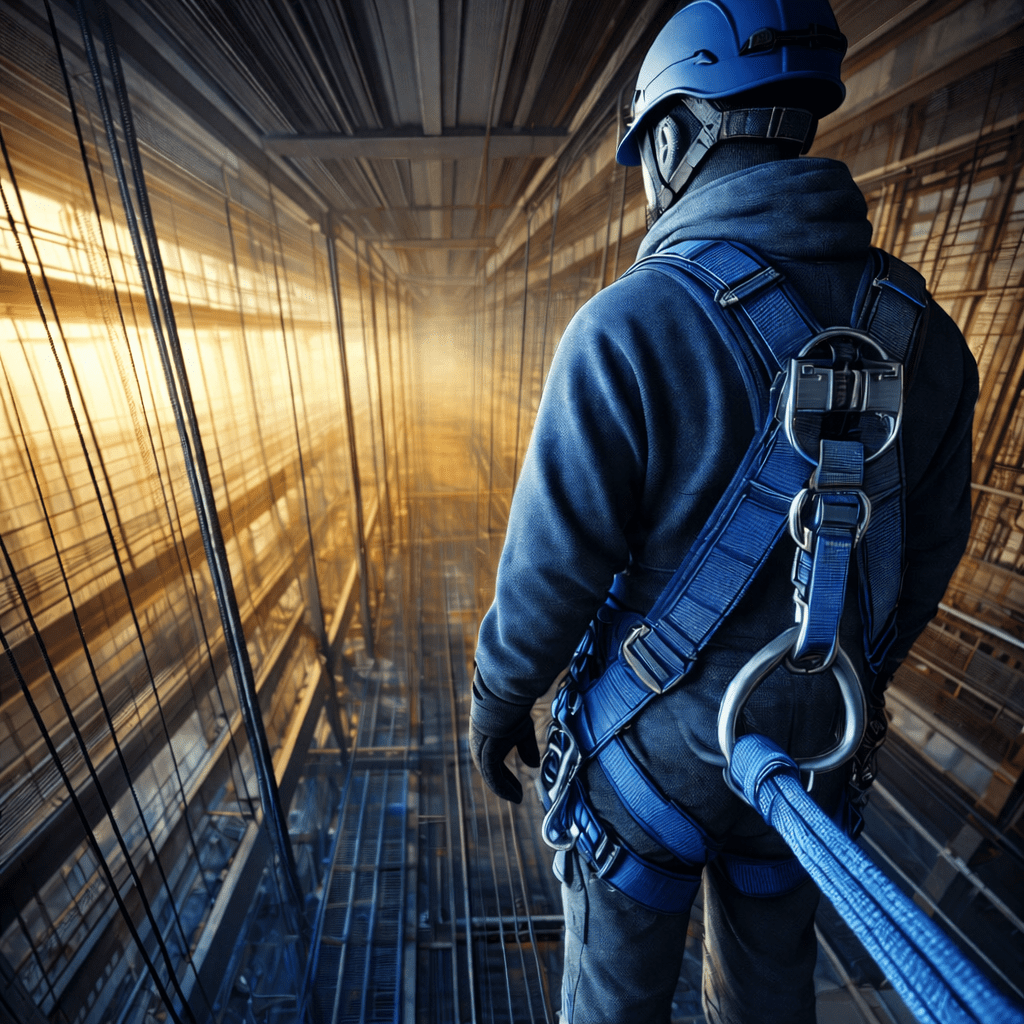
Drone Netting Gallery
These are different types of drone netting solutions that we install.
Carnegie Mellon University, Pittsburgh, PA
Drone Testing Netting System


Drone Netting 3D Models
Drone Testing Netting System


Drone Tennis Enclosure


Frequently Asked Questions for Drone Containment Netting
1. What is drone containment netting?
Drone containment netting is a high-strength safety net system designed to prevent drones from flying out of a designated area and to protect people, equipment, and property from accidental impacts.
2. Why is drone containment netting needed?
It creates a controlled flight environment for testing, training, racing, or demonstrations while reducing the risk of injury, equipment damage, and regulatory violations.
3. What types of facilities use drone containment netting?
Common applications include drone training centers, research labs, warehouses, sports facilities, military and law enforcement training areas, and indoor flight arenas.
4. What materials are used for drone containment netting?
Most systems use nylon or polyethylene netting with UV stabilization, paired with steel cable or aluminum framing for structural support.
5. Can drone containment netting stop high-speed drones?
Yes, properly specified netting can safely absorb impact from high-speed drones when engineered with the correct mesh size, twine diameter, and support structure.
6. Will the netting damage my drone?
Quality netting is designed to decelerate drones gradually rather than cause abrupt stops, reducing the risk of damage compared to walls or rigid barriers.
7. What mesh size is best for drone containment?
Mesh size depends on drone size and speed, but common ranges are ¾” to 2” mesh for small drones and larger mesh for heavier UAVs.
8. Is drone containment netting suitable for indoor use?
Yes, most drone netting systems are designed for indoor installation, including warehouses, gyms, and test facilities.
9. Can drone containment netting be used outdoors?
Yes, outdoor systems use weather-resistant netting and corrosion-resistant hardware designed to withstand wind, sun, and rain.
10. Does drone containment netting affect flight visibility?
Minimal obstruction occurs when using black or dark green netting with thin twine; pilots can easily see through it during operation.
11. Is drone containment netting customizable?
Yes, systems can be custom-designed for specific room sizes, ceiling heights, and flight paths.
12. How is drone containment netting installed?
It can be mounted to walls, ceilings, or freestanding frames using steel cable, track systems, or structural anchors.
13. Can the netting be moved or reconfigured?
Many systems are modular or curtain-style and can be retracted, relocated, or resized as needs change.
14. Does drone containment netting comply with safety regulations?
While no single standard governs drone netting, systems are engineered to meet general workplace and facility safety requirements.
15. How long does drone containment netting last?
Indoor systems can last 10+ years; outdoor systems typically last 5–10 years depending on UV exposure and weather.
16. Can the netting reduce noise or prop wash?
Netting does not significantly reduce noise but can help limit prop wash and debris movement within the flight area.
17. Is drone containment netting fire resistant?
Fire-retardant netting options are available for facilities requiring compliance with local fire codes.
18. What happens if a drone crashes into the net?
The net absorbs the energy of impact, preventing the drone from exiting the flight area and reducing injury risk.
19. Can drone containment netting be used for racing drones?
Yes, it is commonly used in FPV race tracks and competitive training environments.
20. How do I choose the right drone containment netting system?
Selection depends on drone size, speed, indoor or outdoor use, facility dimensions, and safety requirements.